KENNEDY VISION HEALTH CENTER
See Better. Feel Better. Live Fully.
Expert Eye Care That Transforms Lives at Kennedy Vision Health Center.
Schedule Now

Welcome to Kennedy Vision Health Center!
Trusted Eye Care for Every Stage of Life.
For nearly 50 years, Kennedy Vision Health Center has been the trusted name in comprehensive eye care across Plymouth and Otsego, Minnesota. Our award-winning team combines advanced technology with personalized attention to protect, preserve, and enhance your vision at every stage of life. As a family-owned practice voted #1 in eye care for 15 consecutive years, we’re committed to delivering extraordinary care that puts your needs first.
Our Mission
At Kennedy Vision Health Center, we believe exceptional eye care goes beyond basic vision tests. Our mission is to treat every patient like family, providing premium, personalized eye care using the most innovative technology available. We continually invest in advanced diagnostic tools and treatments to detect eye issues early and manage them effectively. Our comprehensive approach focuses on preventive care, allowing us to identify potential issues before they affect your vision, while our experienced team ensures you receive the highest standard of care in a welcoming environment.
Why Choose Us
When it comes to your vision health, you deserve a partner who goes above and beyond standard care. At Kennedy Vision Health Center, we’ve built our reputation on delivering service that always puts you first.

What Sets Us Apart
Rooted in Community. Driven by Care.
Family-Owned Since 1974
Kennedy Vision began as a small, local clinic in 1974 with one simple goal: to care for people like family. Over 50 years later, that heart still drives everything we do.
Though we’ve grown across the Northwest Metro and embraced the latest in eye care technology, we’ve never lost sight of what matters most—connection, compassion, and truly seeing the people we serve.
Here, you’re not just a patient. You’re part of something personal. Something lasting.
Schedule Now
Award-Winning Service
Recognized Excellence. Patient-Focused Always.
For 15 consecutive years, Kennedy Vision Health Center has been voted the #1 eye care provider in our community. While we’re proud of the recognition, our greatest reward is the trust of the families we serve every day.
These awards reflect our ongoing commitment to exceptional care, innovation, and patient-first service because your vision deserves nothing less.
Scroll below to see what makes us award-winning.




















We Don’t Just Check Vision—We Protect It.
Redefining preventive care with next-gen tools and compassionate expertise.
Comprehensive Preventive Care
See What Others Miss—
Before Symptoms Start
Early detection protects your long-term vision, so every exam includes high-definition Optomap imaging and MPod macular-pigment testing. These tools let us spot concerns-like glaucoma risk or early macular degeneration-often before you feel any symptoms, keeping your visit quick, comfortable and proactive.
Explore Comprehensive Eye Exams
Quality Doctors Who Care
Expert Eyes. Genuine Compassion.
Our doctors pair advanced clinical training with a true passion for people. They listen first, explain every option, and craft recommendations around your lifestyle and goals. When you choose Kennedy Vision, you get more than sharp eyesight – you gain partners who are invested in your lifelong eye health.
Meet Our Doctors
Innovative Technology
Where Modern Tech Meets Meaningful Care
From 3-D ocular imaging to digital lens-mapping and virtual frame try-ons, we invest in the latest tools to personalize every step of your experience. Expect precise prescriptions, lighter lenses, and eyewear that looks and feels just right – delivered with confidence and convenience.
Explore Our Technology
Comprehensive Eye Care for Every Stage of Life
Expert Services. Personalized Solutions.
At Kennedy Vision Health Center, we offer full-scope eye care and eyewear services tailored for every member of your family from infants to adults. During your comprehensive eye exam, our experienced doctors take the time to understand your vision, screen for underlying conditions, and recommend personalized solutions that fit your lifestyle and long-term eye health needs.
Whether you’re looking for advanced dry eye treatments, pediatric care, diabetic eye exams, or custom eyewear, we’re here to help you see clearly and live fully.
- Comprehensive Eye Exams
- Pediatric Eye Exams
- Myopia Management
- Dry Eye Treatment & Ocular Surface Disease
- Specialty Contact Lenses
- Our Eye Doctors
Comprehensive Eye Exams
Your Vision. Understood and Protected.
Annual comprehensive eye exams are the foundation of lifelong eye health. At Kennedy Vision Health Center, our doctors take the time to understand your vision concerns, lifestyle, and goals—never rushing the process.
Using state-of-the-art diagnostic tools like digital phoropters and Optomap® retinal imaging, we evaluate your full visual system to detect even the earliest signs of eye disease. Whether you’re updating your prescription or safeguarding your long-term health, we’re here to help you see clearly and confidently.
Learn MorePediatric Eye Exams
Kid-Friendly Care. Clinically Sharp Eyes.
At Kennedy Vision Health Center, we make eye exams fun, stress-free, and age-appropriate for kids of all ages. Our pediatric eye doctors use gentle, child-specific testing methods to keep your little one engaged and comfortable—complete with movies, toys, and a treasure chest of prizes to celebrate a job well done.
More than just fun, our exams are designed to detect vision problems early, from amblyopia and strabismus to focusing and tracking issues—giving your child the clarity and confidence they need to thrive in school and at play.
Learn MoreMyopia Management
Slow the Progression. Protect Their Future.
Myopia (nearsightedness) often begins in childhood and without treatment, it can rapidly worsen as kids grow. While glasses correct blurry vision, they don’t address the root cause: an elongating eye that increases long-term risks for eye disease.
At Kennedy Vision Health Center, our myopia management program is designed to both correct your child’s vision today and help slow the condition’s progression over time. With specialized treatments like customized lenses and therapeutic options, we’re here to protect your child’s sight when it matters most.
Learn MoreDry Eye Treatment & Ocular Surface Disease
Relief Starts Here. See Clearly. Live Comfortably.
Dry eye disease and other ocular surface conditions can cause burning, redness, blurred vision, and constant irritation making daily life uncomfortable. At Kennedy Vision Health Center, we don’t just treat symptoms we uncover the root cause.
Using advanced diagnostics, we evaluate tear quality, gland health, and inflammation levels to create a personalized treatment plan just for you. Whether you’re dealing with meibomian gland dysfunction, blepharitis, or chronic dryness, our team offers proven solutions that restore clarity, comfort, and quality of life.
Learn MoreSpecialty Contact Lenses
Custom Fit. Exceptional Clarity.
Not all eyes are the same and not all contact lenses are either. For patients with unique vision needs, Kennedy Vision Health Center offers a range of specialty contact lenses, including scleral lenses, rigid gas permeable (RGP), and toric designs.
Whether you have keratoconus, high astigmatism, dry eyes, or trouble with standard lenses, our doctors provide precise fittings and customized solutions to restore comfort and crystal-clear vision without compromise.
Learn MoreOur Eye Doctors
Expert Care. Leading Technology. Personal Attention.
At Kennedy Vision Health Center, our experienced eye doctors use the most advanced diagnostic technology to detect and manage a wide range of conditions—including macular degeneration, glaucoma, dry eye, and myopia.
We believe in proactive, personalized care. That’s why we offer early detection screenings alongside customized treatment options such as medicated eye drops, specialty contact lenses, and myopia control therapies. We also provide expert co-management for LASIK and cataract surgery, ensuring you’re supported every step of the way.
No matter your age or concern, our doctors are committed to helping you achieve lifelong visual clarity and ocular health.
Learn MoreCrafting Your Perfect Vision Story in Our Optical Gallery
At Kennedy Vision Health Center, we understand that choosing the perfect eyewear is about more than just improving your vision. Our dedicated team combines clinical expertise with personalized attention to help you discover frames that complement your unique style while providing optimal visual clarity. We take pride in offering an extensive collection of designer frames and premium lens options that cater to diverse preferences and needs.
How Your Eyewear Impacts Daily Performance
Your choice of eyewear affects every aspect of your daily activities, from work productivity to outdoor adventures. Our optical specialists at Kennedy Vision Health Center focus on finding solutions that enhance your lifestyle and visual comfort.
- Advanced lens coatings that reduce glare and eye strain during computer work
- Impact-resistant materials for active lifestyles and sports activities
- Lightweight frame options that provide all-day comfort
- Progressive lens designs that seamlessly transition between distances
- Specialized treatments for UV protection and blue light filtering
Breaking Down Common Eyewear Myths
Many misconceptions surround optical care and eyewear selection. We’re here to provide clarity and help you make informed decisions about your vision needs.
- Premium eyewear doesn’t always mean expensive – we offer quality options for every budget
- Modern frames are designed for durability and can handle daily wear and tear
- High-index lenses can be just as clear as traditional thick lenses
- Designer frames undergo rigorous quality testing for longevity
- Insurance often covers more than just basic frame options
Why Frame Selection Makes a Difference
The right frame choice combines functionality with personal style, creating a look that works for your unique features. At Kennedy Vision Health Center, we guide you through a personalized selection process.
- Face shape analysis for optimal frame recommendations
- Material options ranging from lightweight titanium to eco-friendly composites
- Size adjustments and professional fittings for perfect comfort
- Color consultations to complement your skin tone and style preferences
- Frame durability assessments based on your lifestyle needs
Our commitment to exceptional optical care extends beyond the initial purchase. We ensure your eyewear continues to serve you well through regular adjustments and maintenance support. Trust our experienced team at Kennedy Vision Health Center to help you find eyewear that truly reflects your personality while meeting all your vision requirements.
Unlock Lifelong Vision Wellness Through Regular Eye Exams
Modern eye care goes far beyond simple vision checks. When you visit Kennedy Vision Health Center for your routine eye exam, our sophisticated diagnostic technology reveals crucial insights about your overall health. Through comprehensive testing, we uncover early signs of conditions that might otherwise go unnoticed, from subtle vision changes to indicators of systemic health issues.
Protecting Your Vision Before Problems Arise
A proactive approach to eye care helps maintain sharp vision throughout your life. Our advanced screening methods at Kennedy Vision Health Center detect potential concerns long before they affect your daily activities. This early awareness allows for more effective treatment options and better outcomes.
- Digital retinal imaging for detailed eye structure analysis
- Advanced glaucoma screening with multiple testing methods
- Custom visual field assessments for peripheral vision
- Corneal mapping to track subtle changes
- Precise prescription measurements using automated technology
Building Your Vision Wellness Plan
Every patient’s eyes tell a unique story. We create personalized care strategies that align with your specific needs and lifestyle demands. Kennedy Vision Health Center understands that your vision requirements may change with different activities and life stages.
- Customized exam frequency recommendations based on risk factors
- Activity-specific vision solutions for work and hobbies
- Digital eye strain prevention strategies
- Age-appropriate vision wellness guidelines
- Nutrition and lifestyle recommendations for optimal eye health
Your Vision in the Digital Age
As technology evolves, so do the demands on our eyes. At Kennedy Vision Health Center, we incorporate the latest advancements in eye care to address modern visual challenges. Our forward-thinking approach ensures you’re prepared for tomorrow’s vision needs.
- Advanced solutions for digital device usage
- Innovative lens technologies for changing environments
- Preventive care strategies for emerging vision challenges
- Adaptive vision solutions for new technology
- Long-term eye health monitoring protocols
Regular eye exams play a vital role in maintaining your overall wellness. Through Kennedy Vision Health Center’s comprehensive approach, you’ll receive care that protects your vision today while preparing for the visual demands of tomorrow.
Advanced Medical Eye Care That Addresses Complex Vision Challenges
Managing eye disease requires sophisticated diagnostic tools and experienced professionals who understand the intricate nature of ocular health. At Kennedy Vision Health Center, we employ state-of-the-art technology paired with clinical expertise to identify and manage various eye conditions. Our comprehensive medical eye exams go beyond standard vision tests to evaluate the complete health of your eyes, providing a detailed analysis of potential concerns before they impact your sight.
Sustaining Long-Term Eye Health Through Medical Management
The journey of preserving your vision spans a lifetime, and proper medical eye care plays a crucial role in this process. Kennedy Vision Health Center develops sustainable treatment plans that adapt to your changing needs while maintaining consistent care standards.
- Personalized treatment protocols for chronic eye conditions
- Regular monitoring of disease progression and treatment effectiveness
- Collaborative care strategies involving multiple specialists when needed
- Advanced imaging to track subtle changes over time
- Integration of lifestyle modifications with medical interventions
Understanding Your Eye Disease Management Journey
Every eye condition presents unique challenges that require specialized attention. Our team at Kennedy Vision Health Center takes time to thoroughly explain your diagnosis, treatment options, and expected outcomes. This educational approach empowers you to actively participate in your eye health decisions.
- Detailed explanation of diagnostic findings using visual aids
- Step-by-step breakdown of treatment procedures
- Clear communication about medication schedules and effects
- Regular progress updates and milestone tracking
- Educational resources for ongoing condition management
The Science Behind Medical Eye Care
Modern eye disease management combines traditional clinical wisdom with breakthrough technologies. Kennedy Vision Health Center integrates proven treatments backed by today’s best technology to provide comprehensive medical eye care. We continuously update our protocols to reflect the latest advancements in eye disease treatment.
- Advanced diagnostic imaging for precise disease detection
- Specialized testing for specific eye conditions
- Systematic evaluation of treatment responses
- Risk factor analysis and prevention strategies
- Custom treatment modifications based on clinical data
Your vision health deserves careful attention and expert care. Through Kennedy Vision Health Center’s medical eye exam services, you receive a thorough evaluation and management of eye diseases, supported by our commitment to preserving your sight for years to come.
Breakthrough Solutions for Dry Eye Relief
Gone are the days of endlessly searching for dry eye relief. Our specialists take a root-cause approach that delivers more durable relief. Through a blend of pioneering technology and time-tested methods, we pinpoint exactly what triggers your symptoms – whether it’s blocked glands, tear film instability, or environmental factors.
Transforming Dry Eye Diagnosis into Lasting Relief
Most patients arrive frustrated after trying numerous over-the-counter remedies without success. That’s why the team at Kennedy Vision Health Center starts with meticulous diagnostic mapping of your tear film composition. This scientific approach reveals hidden patterns that generic treatments often miss.
- Artificial intelligence-powered tear analysis identifies subtle imbalances
- Multi-phase treatment protocols adapt to your body’s healing response
- Breakthrough gland restoration techniques rebuild natural tear production
- Custom-formulated eye drops target your specific inflammatory markers
- Advanced moisture-chamber therapy for severe cases.
Your Pathway to Renewed Eye Comfort
Picture waking up without that familiar burning sensation. At Kennedy Vision Health Center, we’ve developed treatment combinations that work synergistically to repair compromised tear function. Our approach goes beyond temporary relief, focusing on rebuilding your eyes’ natural moisture system.
- Specialized pulse light therapy stimulates healthy gland function
- Microscopic lid exfoliation removes inflammatory buildup
- Prescription-strength supplements enhance natural tear quality
- Cutting-edge moisture retention inserts for overnight healing
- Advanced corneal mapping guides precise treatment adjustments
A New Era in Dry Eye Science
Recent breakthroughs have transformed our understanding of dry eye disease. Kennedy Vision Health Center harnesses these discoveries through state-of-the-art diagnostic tools that measure tear osmolarity, analyze meibomian gland structure, and evaluate tear break-up time with unprecedented accuracy.
- Biomarker tracking reveals treatment effectiveness
- Next-generation tear stabilization methods
- Automated gland imaging guides precise intervention
- Environmental modification systems for home and office
- Computer-guided treatment protocols maximize outcomes
Your journey toward comfortable vision starts here. Through Kennedy Vision Health Center’s innovative treatment program, you’ll experience the latest advances in dry eye care while receiving personalized attention that addresses your unique needs. Let us help you rediscover the joy of clear, comfortable vision.
Pediatric Eye Care Where Prevention Shapes Vision Success
Tiny eyes hold big possibilities. Just as a child’s first steps mark a milestone, their visual development shapes how they’ll explore, learn, and grow. The pediatric specialists at Kennedy Vision Health Center understand these crucial early years, turning standard eye exams into engaging adventures that spark curiosity while safeguarding young vision. Using child-sized equipment and playful techniques, our team transforms what could be intimidating moments into opportunities for discovery.
The Building Blocks of Childhood Vision
Did you know your child’s eyes complete most of their development before age eight? That’s why Kennedy Vision Health Center emphasizes early detection through age-appropriate screenings. Our child vision specialists use interactive tools that feel more like games than tests, helping young patients stay relaxed while we gather crucial data about their visual development.
- Digital eye tracking games reveal focusing abilities
- Interactive color vision assessments through storytelling
- Depth perception tests using favorite cartoon characters
- Vision therapy exercises disguised as play activities
- Child-friendly eye pressure readings without air puffs
Shaping Tomorrow's Vision Today
Think of your child’s eyes as windows opening to their future. The team at Kennedy Vision Health Center employs pioneering techniques that not only address current vision needs but also lay the groundwork for lifelong visual health. Each visit builds upon previous findings, creating a comprehensive picture of your child’s visual development.
- Smart technology that adapts to attention spans
- Progressive myopia management strategies
- Customized vision therapy programs
- Digital eye strain prevention techniques
- Advanced amblyopia treatment options
Unlocking Visual Potential Through Innovation
Visual challenges today won’t limit tomorrow’s possibilities. At Kennedy Vision Health Center, we harness cutting-edge technology specifically designed for young eyes. Our approach combines traditional pediatric care wisdom with modern diagnostic tools that catch subtle changes before they impact learning or development.
- 3D imaging that works with wiggling patients
- Gentle retinal scanning without dilation
- Interactive visual field testing games
- Real-time tracking of vision changes
- Customized eye exercises for home practice
Every child deserves to see their world clearly. Through Kennedy Vision Health Center’s specialized pediatric programs, we’re not just examining eyes – we’re nurturing visual skills that will serve your child throughout their lifetime. Partner with us to give your child the gift of optimal vision from their very first eye exam.
Contact Lenses That Match Your Lifestyle and Vision Goals
Ever wondered why some contact lenses feel like they’re not there, while others remind you of their presence all day? The secret lies in precise matching of lens materials and designs to your unique eye shape and daily activities. At Kennedy Vision Health Center, we tap into decades of fitting expertise and cutting-edge technology to unlock a level of visual freedom that many believed impossible. Our specialist team maps your corneal topography down to the micron, ensuring each lens aligns perfectly with your eye’s natural curves.
Debunking Common Contact Lens Concerns
“Contacts are uncomfortable.” “They dry out too quickly.” “I can’t wear them because of my astigmatism.” Sound familiar? The team at Kennedy Vision Health Center frequently hears these worries from first-time wearers. Today’s contact lens technology shatters these outdated beliefs, offering solutions for virtually every vision challenge.
- Smart-material lenses that retain moisture for up to 16 hours
- Designs that automatically orient themselves for crystal-clear astigmatism correction
- Ultra-thin edges that virtually eliminate awareness of lens presence
- Breathable materials that deliver more oxygen than your eyes need
- Multifocal options that seamlessly transition between distances
Contact Lens Evolution Meets Modern Innovation
Remember when contact lenses meant thick, hard pieces of plastic? Those days are long gone. Kennedy Vision Health Center now offers lenses crafted from materials that seemed like science fiction just a decade ago. These revolutionary designs work in harmony with your natural tear chemistry while providing unprecedented clarity.
- Bio-mimicking surfaces that resist protein buildup
- Variable-focus technology that adapts to lighting conditions
- Custom-engineered materials for sensitive eyes
- Hybrid designs combining soft lens comfort with rigid lens clarity
- UV-blocking compounds integrated into daily disposables
The Science Behind Perfect Contact Lens Comfort
Behind every successful contact lens fit lies a precise understanding of ocular dynamics. At Kennedy Vision Health Center, we employ advanced diagnostic tools that analyze your tear film composition, measure corneal oxygen demands, and evaluate your blink patterns. This scientific approach leads to lens selections that complement your eye’s natural functions.
- Digital mapping creates virtual lens trials before fitting
- Tear chemistry analysis guides material selection
- Microscopic eye surface imaging ensures optimal lens interaction
- High-definition video assessment of lens movement
- Comprehensive eye health screening for long-term success
Don’t let outdated contact lens technology hold you back. Through Kennedy Vision Health Center’s specialized fitting process, you’ll discover how modern contact lenses can transform your visual experience. Let our expertise guide you toward the perfect lens solution for your unique needs.
Meet the Team
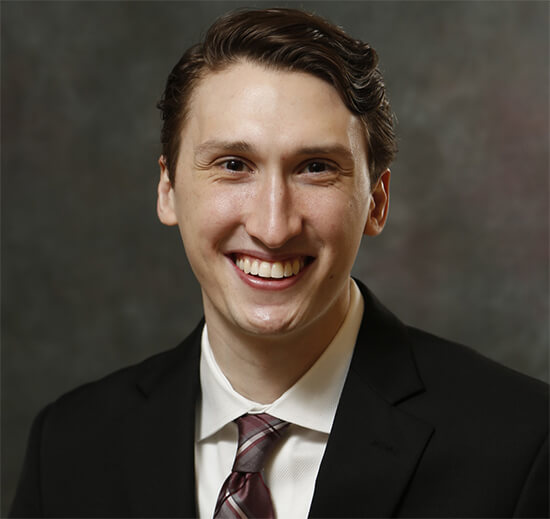
Under the leadership of Dr. Traverse, current practice owner and son-in-law of founder Dr. Kennedy, our team of six experienced doctors includes Dr. Bugajski, Dr. Rossow, Dr. Eder, and Dr. Moore. Together with our Director of Operations, Lindsey Durr, we provide comprehensive eye care services backed by decades of combined experience. Each team member brings specialized expertise and a dedication to delivering extraordinary care, ensuring you receive the highest quality treatment at every visit.
Meet Our Team





Advanced Medical Technology
Next-Level Diagnostics. Lifelong Vision Protection.
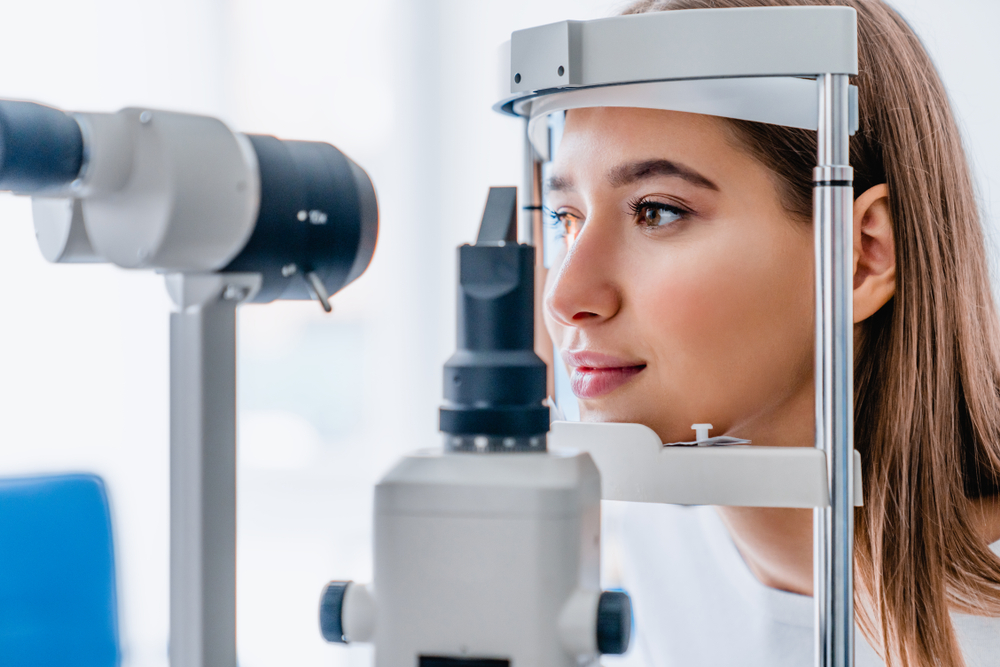
At Kennedy Vision Health Center, we believe the best care starts with the best tools. Our advanced diagnostic technology including high-resolution Optomap® retinal imaging and customizable ocular disease screening allows us to detect conditions like glaucoma, macular degeneration, and diabetic eye disease long before symptoms appear.
By identifying problems early, we can slow or stop disease progression and help you preserve your vision for years to come with clarity you can count on.
Explore Our Technology
A Personalized Eyewear Experience
See Clearly. Look Incredible.
Eyewear isn’t just about vision—it’s about expression. At Kennedy Vision Health Center, we believe your glasses should feel as good as they look. That’s why our expert opticians help you hand-select frames that match your face, lifestyle, and personality—without compromising on comfort or budget.
From designer styles to durable everyday classics, we carry a curated collection of brands for the whole family. Whether you’re updating your look or choosing your very first pair, we’ll make sure you walk out loving what you see—and how you’re seen.
Explore Our Eyewear Experience
Community Involvement


















Testimonials
FAQs
How long has your practice been serving the community?
Kennedy Vision Health Center was established in 1974 by Dr. Kennedy and has been providing exceptional eye care for nearly 50 years. We’re proud to be a family-owned practice that has grown to serve patients in both Plymouth and Otsego locations. Our commitment to the community has earned us recognition as the #1 eye care center for 15 consecutive years.
What makes your eye exams different from other practices?
Our comprehensive eye exams incorporate advanced pre-screening technology, including the innovative Opto-Map system, which typically eliminates the need for dilation. We conduct thorough preventive care screenings to detect potential issues early. Our investment in cutting-edge diagnostic tools ensures you receive the most accurate and detailed examination possible.
Do you offer emergency eye care services?
Yes, we provide emergency eye care services for unexpected vision issues or eye injuries. Our team of experienced doctors is equipped to handle various urgent eye care needs, and we prioritize emergency cases to ensure prompt attention when you need it most. We recommend calling our office immediately if you experience any sudden changes in vision or eye discomfort.
What types of specialty eye care do you provide?
We offer specialized care for various conditions, including dry eye treatment, myopia management, glaucoma care, and diabetic eye disease management. Our practice also provides advanced services such as Cynosure laser treatments and aesthetic services for dry eye conditions. We tailor every treatment plan to your exact needs.
How often should I schedule an eye exam?
We recommend annual comprehensive eye exams for most adults to maintain optimal vision health and detect any changes early. However, some patients may need more frequent visits based on their age, medical history, or specific eye conditions. During your first visit, we’ll create a personalized care schedule that best suits your individual needs.
Your Extraordinary Eye Care Begins at Kennedy Vision Health Center!
Transform your vision care experience with our extraordinary team. Our experienced doctors at Kennedy Vision Health Center are ready to provide you with the premium eye care you deserve. Connect with us on Facebook and Instagram or visit our website to learn more about our innovative approach to eye care. Schedule your comprehensive eye exam today and experience the difference of truly personalized vision care.
Schedule Appointment